

November 20th, 2026
Winter Pruning – Strike While They Sleep
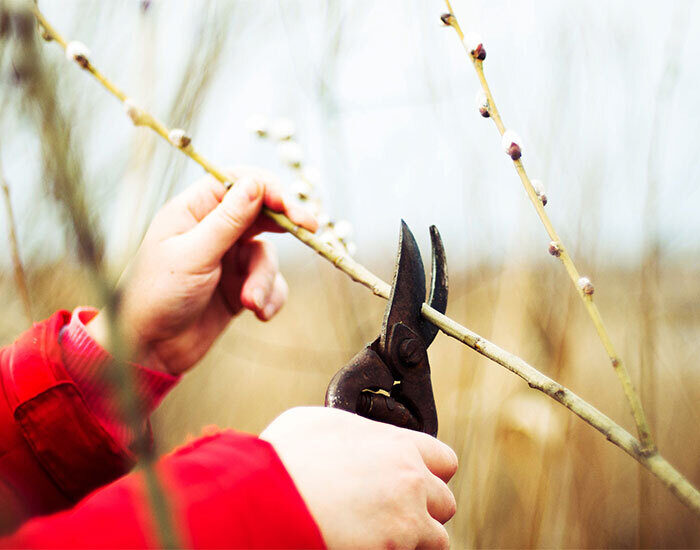
Landscape care doesn’t end when temperatures drop. The best upkeep for your trees and shrubs happens over the winter months. Plant dormancy and cold weather pruning go hand-in-hand.
Plant Dormancy
Just as bears hibernate during winter, foliage enters a non-growing, “restful” state. New vegetation is not pushed out, leaves fall, and stems may even become covered in a protective bark. This offers greater visibility into the structure of bushes. Trimming during an inactive period allows reshaping and removal of dead or diseased limbs along with a lower risk of spreading contaminants.
Disease Prevention
The cold temperatures and inactive state of the plant minimize the potential for disease to spread when cutting infected branches. It is still important to keep your tools clean, however. A cleaning solution of two tablespoons rubbing alcohol and one cup of water helps prevent contamination between cuts.
Trim off limbs that appear swollen, contain open lesions or show darkened areas. Carefully removing signs of insect habitation (such as egg masses) can thwart insect infestation during the growing season.
Proper Pruning
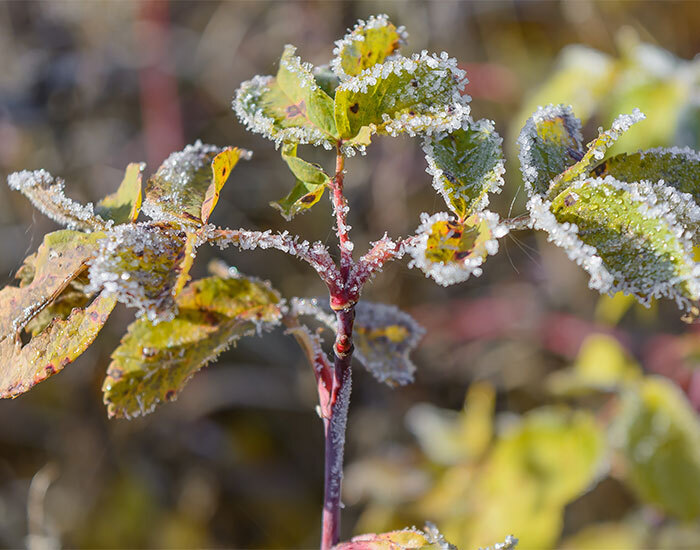
Ensure pruner blades are sharp enough for smooth cuts. Never cut flush to the trunk and keep branch collar intact for good healing. To stimulate new sprouts in the spring, always trim stems down to a bud.
Areas to Remove
In addition to unhealthy or dead branches, crossing or rubbing limbs may need to be eradicated. Prune in order of size, largest first. Avoid causing disfiguration via removal, even if a sizable branch is crossing/rubbing another.
Increasing air circulation through pruning will foster plant health in the spring. Thin the canopy by working from the center, outwards. Focus on dense areas of the plant carefully as it’s easy to overdo it, which could cause plant stress. Work slowly to be mindful of how much you’re pruning.
Ready for the pros to take over? Let us know if you’re interested in Maintenance Services here.